Is your hotel’s landscaping really ready for the rush of spring break? The busy season ramps up with heavy activity from a variety of different guests, from college crowds to families with strollers to groups attending destination weddings.
You want to be sure your outdoor spaces are looking their best and as safe as possible too. There are a few things that are easy to overlook until a problem rears its head. That’s why it’s smart to ensure your landscaping elements are prepared before peak season takes off.
This article highlights those overlooked items as well as the following topics:
- Hotel Landscaping Is Guests’ First Impression
- Hotel Lobbies and High-Traffic Interior Touchpoints
- Right Plant, Right Place Mindset
- Landscaping for Each of Your Hotel Guest Segments
- Why Outdoor Lighting Is a Priority
- Ramp Up Hotel Landscaping Service Schedule
- What Happens When Hotel Landscaping Issues Pop Up?
- Post-Spring Break Resort Landscaping Recovery
We’ll begin with first impressions and the simple landscape task that gives you a high ROI in visual appeal.
Hotel Landscaping Is Guests’ First Impression
The first few moments of a guest's arrival set the tone for their stay at your hotel. Lush, impressive landscaping sends a clear message that they chose their accommodations well. An uninspiring entrance will send the opposite message.
Worn-down turf, bare spots, and overgrown shrubs look neglected. And that vision of neglect can make vacationers wonder what else might be neglected at a resort or hotel.
To win guests over instantly, seasonal color should be used. That’s because a cohesive palette complements your property's aesthetic, adding a curated and inviting feel. Container plants near entrances and porte-cochères give you the flexibility to rotate seasonal interest without doing full bed redesigns.
Crisp bed edging is one of the highest-ROI details in hospitality landscaping because it costs relatively little, but the clean appearance stands out.
Don't underestimate the parking lot area, either. Ways to enhance it include:
- Island beds and tree canopy coverage
- Modern path lighting and uplighting on featured trees
- Palm trees, ornamental grasses, and tropical annuals whisper "vacation mode”
Spring break guests have waited all winter for a warm-weather getaway. Yellowstone Landscape teams understand how to welcome guests from the road frontage all the way to your resort’s front door. Don’t forget the interior greenery, which we’ll discuss in a moment.
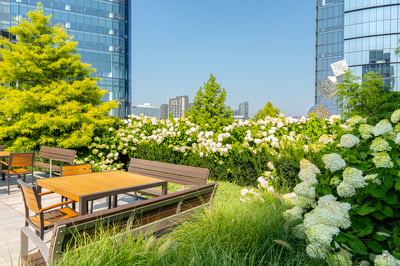
Check out this Yellowstone Landscape case study showcasing stunning landscaping on a rooftop in New York for some ideas about what can be possible for your space.
Hotel Lobbies and High-Traffic Interior Touchpoints
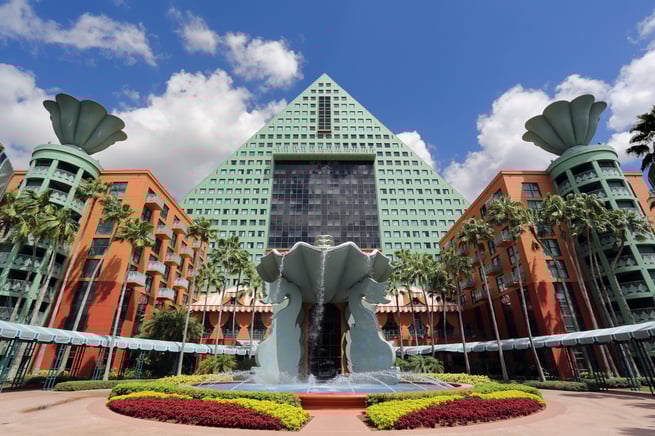
Interior plants have the power to make a space feel alive and even breathtaking. It’s the often-overlooked details that matter more than most resort property managers realize.
Scale makes a huge difference indoors. Undersized planters in a grand lobby are easy to ignore, appearing as “basic” office plants. Oversized, dramatic specimens are impossible to ignore as they show off the property’s vibrance.
Then there are the seasonal arrangements. These provide an atmosphere that’s clearly created by professionals sprucing up the interior with “living art” in the form of greenery and inspiring blooms.
A related topic is inviting scents. Fragrant blooms and fresh tropical foliage near check-in create a subconscious feeling only nature can provide.
Plant selection in high-traffic areas has to be strategic, though. That’s why resilient tropicals like the examples below are terrific choices that hold up over the long term:
- Bird of paradise
- Peace lilies
- ZZ plants
- Pothos
Right Plant, Right Place Mindset
You don’t want to risk dead or yellowing leaves near the hotel’s front desk. Bright, lively colors and healthy plants provide the vibe excited spring break guests want. Professional interiorscape maintenance ensures you don’t have to worry about unattractive interior plants.
Indoor plants help people slow down and improve their mood. ~Ohio St. University
A few interior hotel areas that should get more attention are:
- Covered walkways
- Pool entrances
- Elevator lobbies
- Stairwells
These spaces are a real concern, especially when they see high foot traffic. Smart solutions in these spaces include planters, hanging baskets, and even a single well-lit specimen plant in the right spot.
Unlike a one-time install, Yellowstone's certified interiorscapers do regularly scheduled maintenance visits. This interior plant health care plan is critical when spring break crowds are on their way with extra eyes on your property in the real world and in travel review site photos.
Landscaping for Each Hotel Guest Segment
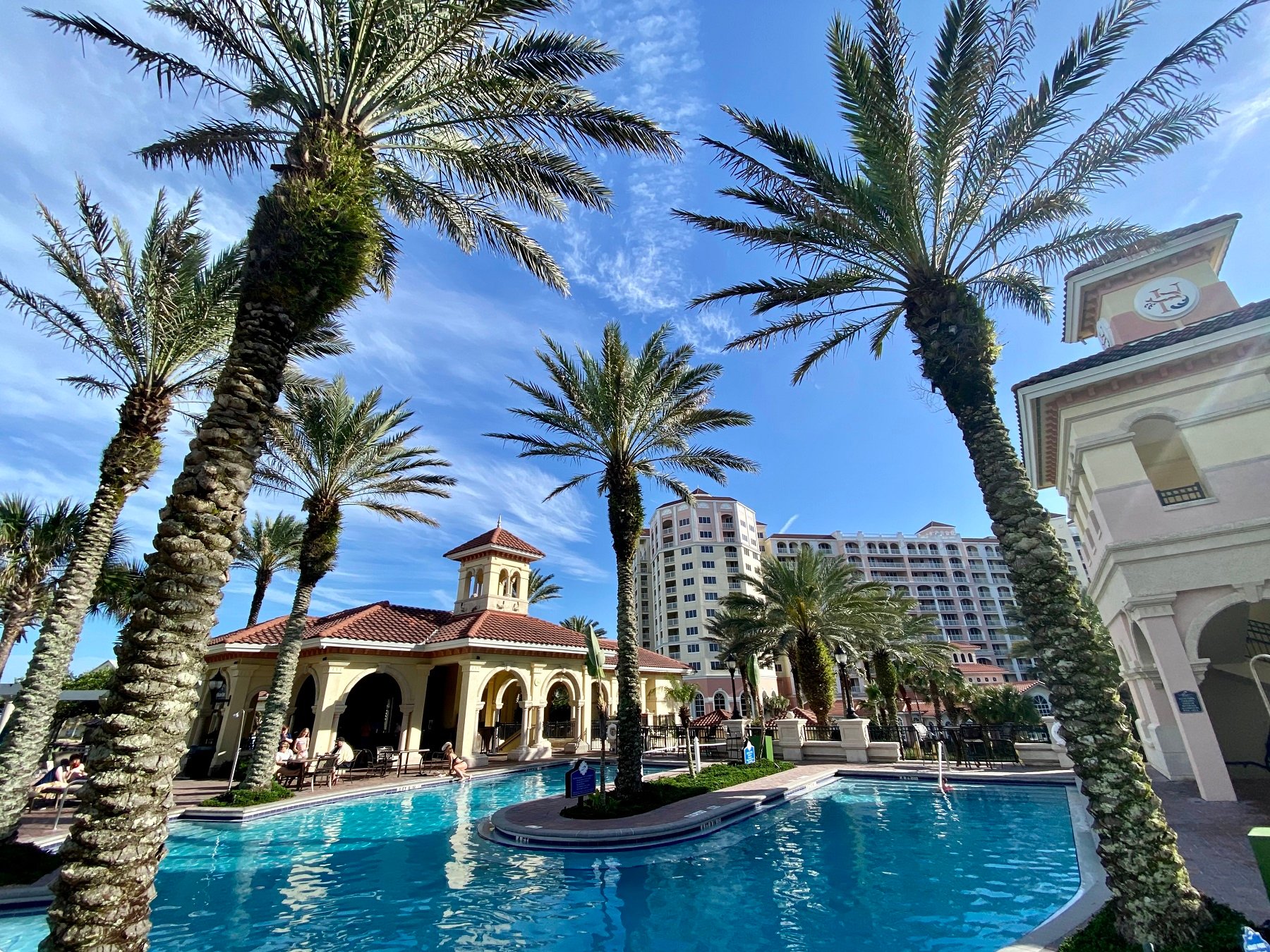
Many resorts serve a variety of guest profiles. Your landscape has to be durable enough for the most outgoing groups and refined enough for the most discerning.
Turf quality under playground equipment and open lawn areas should be more than simply attractive. These areas must be safe and functional. Thin, patchy grass over hard soil makes for a hard landing should anyone trip and fall. Low-hanging branches can cause eye injuries.
Overseeding and turf repairs in high-traffic zones before peak season help absorb that abuse while providing friendly footing. Raising the tree canopy helps turf receive needed sunlight while removing eye injury risks.
A few other resort landscaping details that matter more than you may imagine:
- Clear sightlines for drivers and near play areas. Overgrown shrubs can create hazardous blind spots.
- Properly-edged walkways free of mulch overhang make surfaces safer, especially for people with mobility issues and parents pushing strollers.
- Lighting provides ambiance and safety, but tree limbs can block light. Damaged bulbs should be replaced immediately too.
An experienced hotel landscape provider always plans by using the “2 AM test.” Experienced professionals are regularly monitoring for loose pavers, unlevel surfaces, and poorly lit paths that seem minor at noon but become serious hazards after dark.
Why Outdoor Lighting Is a Priority
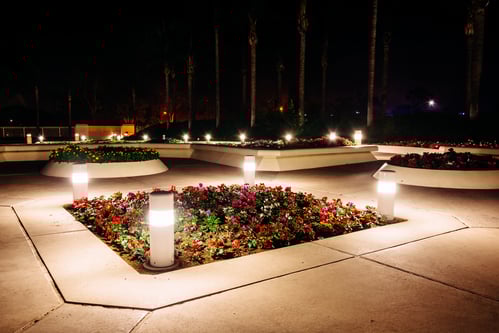
Lighting is one of those amenities guests don’t think about or mention in online reviews. When an area is not well-lit, and something goes wrong, though, they definitely notice. Professionally maintained lighting is critical infrastructure. When lighting isn’t managed properly, it can become a serious liability concern.
Path lighting should guide guests without being shockingly bright. Fixtures aimed at the ground create a warm, walkable glow without washing out ambiance or causing glare. Color temperature is critical too. Warm white feels like a relaxing resort. However, cool white may feel like a stressful hospital.
Where resort and hotel lighting is most valuable:
- Uplighting palms, illuminating waterfalls, and grazing textured hardscape walls enhance evening relaxation.
- Maximize curb appeal long after the sun goes down by showing off signature plantings and entrance features.
- Parking areas are where first and last impressions meet, whether a group is arriving late or leaving early. How safe does the parking lot feel in the dark?
- Egress lighting is part of mandatory building codes in stairwells, exit paths, and pool gates. But how this lighting integrates into the overall design determines whether it matches the resort’s standards.
- Timer and sensor-controlled lighting at pool and beach access points help ensure nothing goes dark mid-evening — especially critical during peak spring break.
Ramp Up Hotel Landscaping Service Schedule
Spring break can add up to a month's worth of wear and tear in a single week. Your landscape may need extra visits by the provider to be ready for that extra activity.
Turf gets very little recovery time during peak occupancy. What gets damaged Monday morning may need attention by Monday afternoon, not at the next scheduled visit. The same goes for mulched areas when high foot traffic makes a mess of beds, covers up paths, and turns a sharp property into an untidy one.
Two services that need to be adjusted before big crowds arrive:
- Irrigation systems: Foot traffic stresses turf while warmer spring temps increase evapotranspiration, so water efficiency matters more during peak weeks.
- Mid-day grounds patrols: Litter piles up fast around pool areas, landscape beds, and walkways with large crowds. A midday cleanup keeps the property pristine.
A good hotel landscape crew's eyes are always the most valuable assets during spring break. They're on the ground, moving through every corner of the outdoors, and can spot issues before guests do.
Build a communication protocol before peak season hits to decide:
- Who gets called about landscaping issues
- How fast can a crew respond
- What are the escalation steps for urgent issues
Yellowstone's commercial clients receive adjusted schedules, rapid response protocols, and automated communication built into the partnership before peak demand rolls in.
What Happens When Hotel Landscaping Issues Pop Up?
Spring break keeps going even when landscape emergencies happen. A broken irrigation pipe or storm-damaged tree at 7 AM needs a reliable response plan.
Storm damage mid-week is more common than most properties plan for. Downed branches, displaced plantings, and waterlogged turf can undo days of preparation pretty quickly.
The difference between a minor incident and a major disruption is often response time. A few things you want to have locked in with your landscaping company before spring break and other seasonal spikes include:
- Knowing your provider's SLA (Service Level Agreement)
- Documenting your property's vulnerabilities in advance
- Confirming how your hotel landscape provider handles busy-season staffing
- Verifying insurance and licensing in case damage occurs during service
- A dedicated landscaping account manager who knows your property as well as you do
Q & A with a Yellowstone Landscape Manager
What should a hotel manager do the moment a landscape emergency happens?
Contact your landscaping provider through an established emergency line. Time is the variable that separates a quick fix from a full-blown problem. Before any emergency hits, make sure you have a direct contact number for your crew, a clear description of your property's most vulnerable spots already on file, and an agreed-upon response window written into your service contract. A good landscaping company should be able to triage the situation and dispatch accordingly.
How do I know if my landscaping provider can handle emergencies during high-traffic seasons like spring break?
Ask them directly before the season starts. The questions that matter most: How do you staff up during peak periods? What is your guaranteed response time for emergency calls? Do I have a dedicated point of contact who knows my property? Hotels require faster reaction times than a typical commercial property, so make sure your provider has real answers ready, and that those answers are backed up by something in writing.
What is a Service Level Agreement, and why does my hotel need one with its landscaping company?
The SLA is a written document that spells out response times, service frequencies, and what happens when something goes wrong. For hotels, where a downed branch near the pool entrance or waterlogged turf during peak check-in can directly affect guest perception, an SLA gives you something to point to when you need fast action. It also holds your provider accountable to a standard rather than a vague promise.
What property details should I document before spring break to prepare for landscape emergencies?
Walk your property with your landscaping account manager before the season starts and flag the spots most likely to cause problems: irrigation zones near high-traffic areas, trees with weak or overhanging limbs, drainage areas that flood after heavy rain, and any turf sections that take a beating from foot traffic. Having that information documented means your landscaping crew can prioritize the right areas fast when something does go wrong, rather than assessing from scratch at 7 AM during your busiest week.
How does Yellowstone Landscape handle storm damage and landscape emergencies at hotel properties?
Our team approaches storm preparedness like an ongoing process rather than a reactive one. We work with hotel and resort properties to assess vulnerabilities ahead of storm season, develop site-specific response plans, and assign dedicated account managers who already know the property layout. That familiarity matters when a mid-week storm knocks down branches across a hotel entrance, and guests are still arriving.
Post-Spring Break Resort Landscaping Recovery
The busy season puts your resort’s landscape to the test, whether it’s container plants, newly installed trees, or litter on hardscapes. The week after can offer a clear damage report that helps fix any small problems from the extra traffic before they get worse.
What are some recovery services worth addressing immediately?
- Mulch replacement — because exposed soil loses moisture faster and invites weeds.
- Irrigation systems need checking for broken heads, misaligned zones, and controller settings.
- Seasonal color may need refreshing if spring break took a toll on the busiest spots on the resort property.
Divots, worn turf paths, and disheveled beds are also worth noting and fixing. Plus, checking on these issues may help your commercial landscaper spot related problems like the ones below.
Compacted turf from heavy foot traffic threatens root systems. The fix is aeration and overseeding to give your turf the best chance to recover before summer heat arrives. As for stressed plants, they don't always show decline right away. The week after spring break is ideal for a property walkthrough to catch issues that aren’t obvious.
Hotel Property Reviews for a Yellowstone Client:

Conclusion
The difference between a hotel landscaping vendor and a partner is simple. Any vendor can show up when you call. A legitimate partner has a plan beforehand and shows up before you have to call.
Spring break exposes any weak spots in your hotel or resort landscape. But the right commercial landscaping partner is strengthening those spots continuously with year-round strategies. This is the best way to avoid problems rising to the surface during busy weeks such as spring break.
The best landscape relationships are built on a few keys:
- Documented service plans that reflect your hotel’s specific expectations.
- Clear communication protocols that remove guesswork.
- A shared understanding of the level of expectations in your green spaces for your guests and your brand.
A proactive landscaping plan is the only model that works at the scale a resort needs.
Yellowstone Landscape uses comprehensive planning and year-round execution to manage your commercial landscaping. This level of care shows up every spring break because it’s the result of ongoing maintenance and long-term partnership philosophy.
Contact Yellowstone today to discuss ways to get your hotel or resort ready for spring break and beyond.