Tenants, clients, and employees notice outdated commercial landscapes. That means a tired or declining landscape may be reflecting poorly on your business. As landscapes age, they often diminish curb appeal, and the functionality drops off.
That’s when a well-thought-out landscape renovation can transform your outdoor areas into assets. Assets that attract clients, help retain staff, and enhance your brand identity. Yellowstone Landscape clients appreciate our ability to manage renovations from design through installation and construction, and then into ongoing landscape maintenance. If you’re considering an outdoor upgrade, schedule a consultation today.
“Landscaping that’s aesthetically pleasing provides an increase in office rental rates.” ~International Society of Arboriculture
Below, you’ll find five of the most important things that a commercial landscape renovation can do for your property.
Other topics we’re breaking down include:
- Why Commercial Landscape Renovation Matters
- Common Types of Landscape Renovations
- How the Renovation Process Typically Works
- What to Look For in a Renovation Partner
- Free Step-by-Step Guide to Planning a Landscape Renovation
- Yellowstone Landscape’s Renovation Advantage
- FAQ about Landscaping Renovations
- Landscape Renovation Success Stories
Why Commercial Landscape Renovation Matters
A property’s exterior can be much more than a decent space with a few pretty flowers. Being intentional about your commercial landscape renovations gives it the best chance to shine in terms of brand, curb appeal, and people’s enjoyment of the property. There are also ESG (Environmental, Social, and Governance) goals that can be reached with intentional planning too.
Everyone knows there’s only one chance to make a great first impression. This notion applies to both a property and its management. People judge both in a few seconds, starting with the commercial property’s landscaping.
Five things you want them to notice right away include:
- Neat beds
- Healthy trees
- Clean lines
- Lush turf
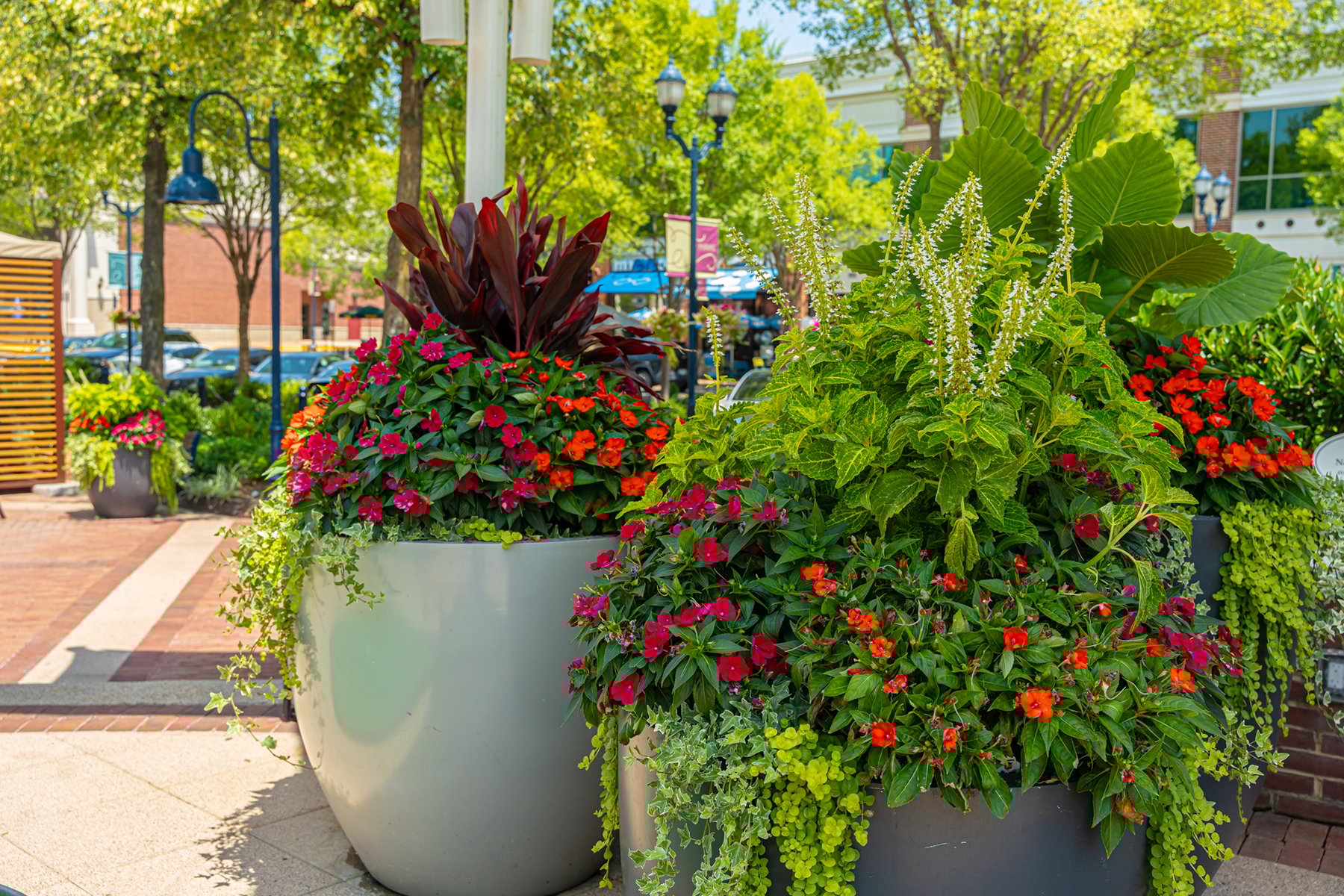
- Vibrant blooms
What you don’t want as a first impression are weeds in the beds, thinning grass, or overgrown shrubs blocking signage.
Landscape renovation projects can be a good path toward better branding. Think about how the right plant and color palettes can match your property’s positioning, whether it’s a medical facility, retail shop, or class A office building.
Property Value and Tenant Retention
What do real estate studies reveal about commercial property landscaping renovations?
- Professionally designed commercial landscapes can lift property values (5–20%).
- Rental rates can be elevated as well.
- High-quality outdoor spaces attract respectful tenants who care about quality.
- It’s easier to market a property with pristine landscaping.
It’s more than visual appeal, though. The right landscape renovations provide the functionality that the community needs and wants. Having a neat dog park can make tenants happier and more likely to renew their lease, as one example. The same goes for carefully-designed pool areas with colorful flowers, making homeowners feel like everyday is close to a resort vibe.
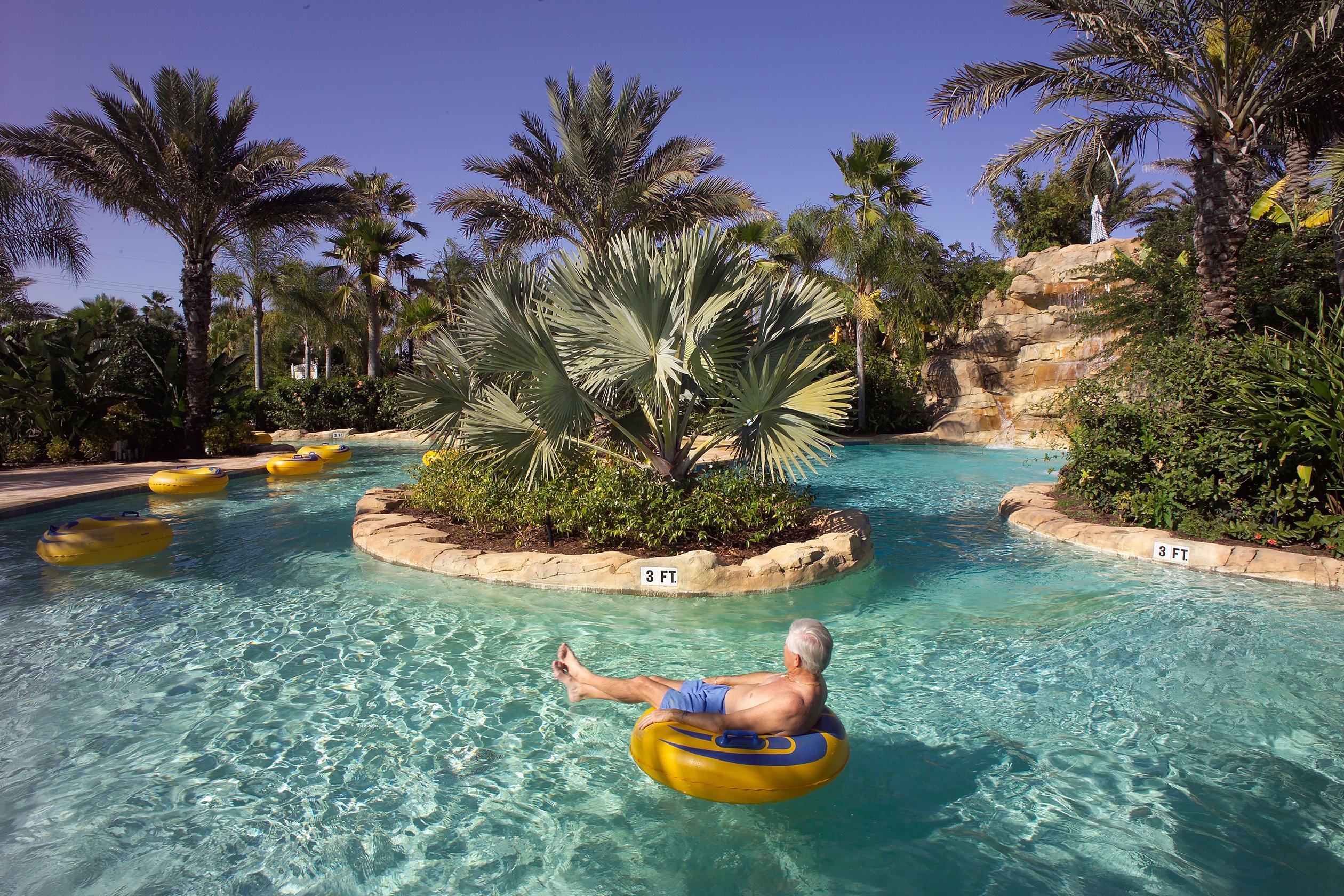
The right renovations and amenities mean longer lease terms and lower vacancies.
Employee Experience and Sustainability
The scientific proof keeps mounting on how employees benefit from well-kept green spaces. That means your staff can enjoy the well-being benefits plus the improved productivity. Creativity goes up as well. A good example is the gentleman who got the idea for inventing the laser, while sitting on a quiet park bench next to a simple garden space.
See further upsides for employees below.
|
Employee benefit |
What the science shows |
|
Lower stress & anxiety |
Exposure to plants and natural views reduces stress, anxiety and “fight-or-flight” responses, and supports emotional recovery. |
|
Better focus & cognition |
Nature and greenery improve attention, cognitive performance and mental restoration, helping employees concentrate and think more clearly. |
|
Higher productivity |
Adding plants and green elements to previously bare offices has been linked to productivity gains of around 12–15%. |
|
Improved mood & morale |
Workers with access to green spaces report higher happiness, job satisfaction and overall wellbeing scores. |
|
Fewer health complaints |
Indoor plants are associated with fewer headaches, less fatigue, better perceived air quality and general wellness. |
|
Reduced absenteeism |
Nature-rich views and greener offices correlate with lower absenteeism and fewer sick leave hours each year. |
|
Less burnout & strain |
Access to nature at work helps cut mental fatigue, burnout and work-related strain through stress reduction and attention restoration. |
Common Types of Landscape Renovations
Fortunately, you have flexible options with landscape renovations. Some Yellowstone clients choose a full property refresh, while others go with a partial update.
Popular upgrades include:
- Visual refreshments (e.g., entrances)
- Hardscape changes (e.g., add fire pit to fountain area)
- Plant and turf updates (e.g., replace turf with xeriscaping in shady spots)
- Sustainable improvements (e.g., drip irrigation)
“Turf’s functional uses include groundwater recharge, erosion control, greenhouse gas reduction and fire prevention, along with related benefits like increased property values and landscape beauty.” ~UMass Extension Turf Program
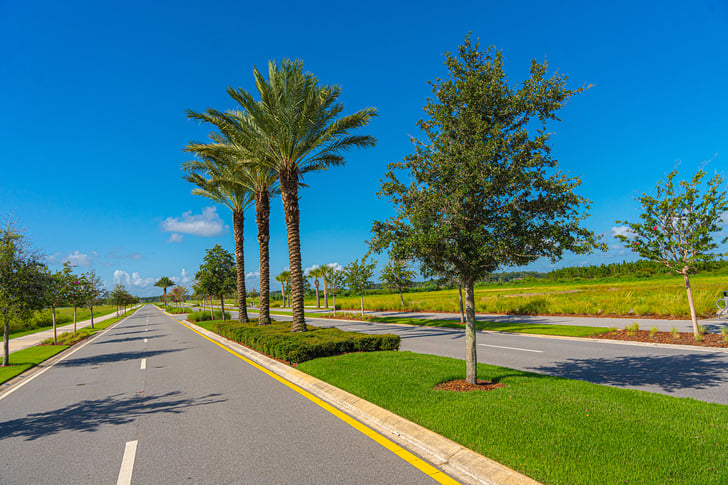
Each of the above upgrades can be phased in or done together. It depends on your budget and how much property disruption you can allow with a large combined renovation. Either way, high-visibility parts of the property are the best places to start.
Those sections include:
- Main entrance
- Drive aisles
- Major signage
- Front of foundations
- Most popular amenity spaces
What do these renovations usually involve?
It could be as simple as reworking landscape bed lines or decluttering beds. Adding bold focal points at a courtyard or fountain is another option. Something else that makes a huge difference during landscape renovations is blending landscape elements from different sections.
This produces a uniform look and shows mindful planning.
Hardscape upgrades are vital for people moving through your property. You want safe sidewalks for everyone, and paths should be ADA-compliant (Americans with Disabilities Act).
Crosswalks should be well-defined and utilize Tactile Ground Surface Indicators (TGSIs). Outdoor seating upgrades need to consider comfort as well as sun and rain protection.
Surfaces (concrete, pavers, etc.) must be firm, stable, and slip-resistant, with minimal gaps and level changes. ~ADA.gov
Which problems does a hardscape renovation solve?
- Awkward property navigation
- Cut-throughs that damage turf
- Reduce unsightly pooling that causes slip-and-falls in freezing weather
- Make spaces usable during all four seasons
- Give exteriors a modern appeal
The living part of your landscape renovation project includes softscape elements such as trees, shrubbery, and grass. Overgrown shrubs can be switched out for new shrubbery. Outdated plant palettes can be updated with brighter, lower-maintenance species, while considering bloom cycles.
Strategic tree maintenance can work wonders as it improves sightlines and unblocks lighting to work as intended. Professional tree care lowers the risk of falling limbs that would hurt people or damage property.
Sustainability-Focused Upgrades
Three things are targeted with sustainable-related landscape upgrades.
- Water
- Resources
- The environment
One sustainable example is converting a hard-to-irrigate turf area into a native plant space. The turf could also be replaced by decorative rock and a few drought-resistant container plants. Other renovation projects would be upgrading the irrigation system to include smart controllers, soil moisture sensors, and a more efficient zone set-up.
|
Native Plantings Benefit Categories |
Details |
|
Water use |
Need less irrigation because they are adapted to local rainfall. |
|
Maintenance |
Lower inputs for mowing, pruning, fertilizers, and pesticides. |
|
Support pollinators, birds and other wildlife with food and habitat. |
|
|
Soil & stormwater |
Deep roots improve soil, cut erosion, and help manage stormwater. |
|
Climate resilience |
Store carbon and tolerate local heat, drought, and pests better. |
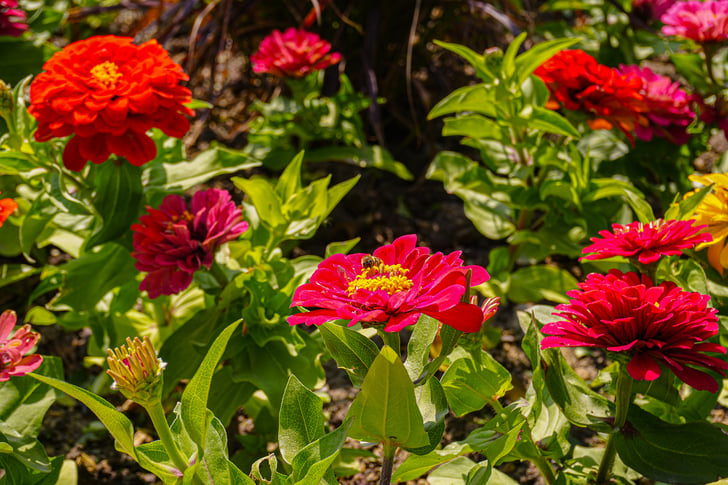
Yellowstone Landscape focuses on sustainability goals by looking for ways to utilize bioswales, rain gardens, and dry creek beds. Recently, our company has been hearing more clients interested in installing pollinator gardens for their green spaces. Why? Pollinator plants attract beneficial insects that ramp up biodiversity, improving the health and resilience of your entire landscape.
Many people may think of pollinator gardens as a bit "cluttered.” However, this article lays out how they can be set up to please.
How the Renovation Process Works
Three common phases to a landscape renovation ensure the client and vendor are on the same page. Clear goals, documentation, and checkpoints mean clear communication from day one.
Phase 1: Assessment and Design
The site walk-through comes first, then a review of the conditions, followed by clarification of goals, budget, and priorities.
Site conditions coming into play include plant health, drainage, safety issues, foot traffic, etc. The property manager should ask detailed questions to the vendor. This will clarify what matters most in matters such as curb appeal vs. resident amenities. That clarification affects the next two phases.
Landscape designers should offer conceptual design options aimed at executing on the client’s priorities and goals. 3D visualizations are often used for detailed layouts that highlight plant choices, element positioning, and hardscape upgrades. Better to have a realistic look at the renovation plans before any work begins.
Phase 2: Proposal and Installation
After the concept is accepted, then come lots of details inside a proposal. A solid proposal should break down scope, materials, phases, and timelines. Your commercial landscape renovation company should have a clear plan for avoiding intruding on daily operations on the property.
Ways they may achieve that are:
- Scheduling heavy work in off-peak hours
- Planning work around your deliveries
- Doing work by zones
- Not blocking parking areas
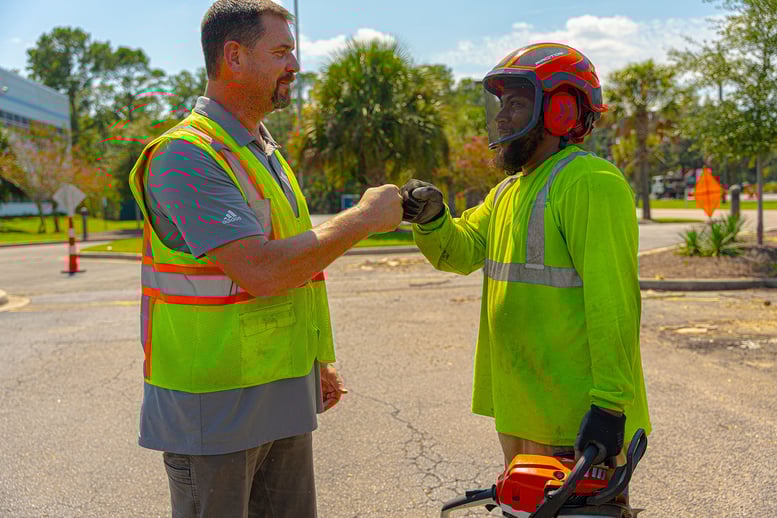
When it comes time for installation, there might be removals and grading in the beginning. Next comes any hardscape construction and irrigation installation. Planting is done in this stage too. The landscape company should be working with clear safety protocols that protect pedestrians, vehicles, and your staff (as well as protecting themselves around traffic and renovation equipment).
Landscape upgrades obviously involved dirt and mud. Still, that’s no excuse for the property becoming messy and disorganized. Major landscape renovations can be efficient while staying neat.
Phase 3: Final Walkthrough and Maintenance Handoff
Once construction is complete, the final phase is about quality checks. Stakeholders get a chance to check the hardscape quality, plant health, and irrigation system. A punch list is used to note any issues (e.g., mulch depth, sprinkler adjustments, or missed clean-ups).
The renovation contractor will correct any punch list issues before formal acceptance by the property manager.
This final phase includes a plan for all the plants’ establishment time frame and long-term maintenance. The plan gives the newly installed landscape the best chance to grow into the intended design and flourish. What steps are involved?
- Grow-in visits
- Watering and monitoring schedules
- Handing off the work to the maintenance team
The landscapers handling ongoing maintenance should have a schedule prepared for pruning, seasonal color installs, mulching, and systems checks. Phase three’s plans are vital to protecting the investment in your landscape renovation.
What to Look For in a Renovation Partner
The right landscape firm makes your renovation go smoother. So, here are some things to look for in a partner that can handle your specific site and achieve your goals on time, as promised.
Be sure your contractor has extensive commercial landscape experience. Think office buildings, retail strips, apartments, hotels, and healthcare complexes. Renovating these properties is more complex than residential properties, as they deal with heavier foot traffic and regulations.
Yellowstone Landscapes’ National Awards of Excellence
Also, look for a provider that handles everything in-house. From landscape design to hardscape installs to tree care and everything in between. The alternative of having multiple subcontractors can be a hassle for property owners. Most feel it’s better to have the same company design, build, then maintain renovated outdoor spaces.
Process, Communication, and Sustainability
A real partner will be transparent about the process. You’ll understand timelines, phases, and which team member is responsible for what. And you’ll be updated on the schedule and budget. Proposals should be timely, with realistic prices and a plan for minimizing property disruptions. The provider should be open about contingencies and allowances.
Project contingency is the allocation of extra time, resources, or budget for unforeseen circumstances that may arise during a project. ~PMO
Then there is sustainability. You want to partner with a landscape firm with a deep understanding of modern practices and at least a decade of experience in sustainable landscape design and construction. Top landscape companies will guide you on which native plants will thrive with minimal watering and upkeep. They should be smart irrigation and stormwater management experts too.
That expertise saves you money on plant replacement and reduces water bills. Other commitments to sustainability include:
- Local material sourcing
- Eco-friendly landscape design trends
- Rainwater collection systems
- Pollinator garden initiatives
- LEED and green certification familiarity
Step-by-Step Guide to Planning a Landscape Renovation
Step 1: Assess Your Current Landscape
- Document existing conditions (photos, measurements)
- Identify problem areas and maintenance headaches
- Evaluate functionality and usage patterns
- Gather stakeholder feedback (employees, tenants, clients)
- Determine goals and desired outcomes
- Define realistic priorities
Step 2: Define Your Vision & Goals
- Clarify primary objectives (curb appeal, functionality, sustainability)
- Identify target improvements
- Determine timeline and urgency
- Consider branding and identity elements
- Plan for long-term maintenance strategy
Step 3: Research & Shortlist Companies
- Seek design-build landscape renovation firms
- Review portfolios and completed projects
- Check credentials and certifications
- Read client testimonials and reviews
- Verify insurance and licensing
- Compare design philosophies and capabilities
- Key consideration: Look for integrated landscape design and installation teams
Step 4: Request Proposals & Designs
- Provide site details and project brief to 2-3 companies
- Request comprehensive site assessments
- Ask for detailed design proposals
- Review 3D renderings and visualizations
- Compare design approaches and philosophies
- Evaluate proposal clarity and professionalism
- Ask about maintenance transition plan
Step 5: Ask Critical Questions
- Who is the primary point of contact?
- What's your landscape design and installation timeline?
- How do you handle changes and revisions?
- What warranty/guarantees do you provide?
- Can you reference similar completed projects?
- How will the site be managed during construction?
- What's your maintenance recommendation post-project?
- How do you incorporate sustainable practices?
- What technology/tools do you use?
Step 6: Evaluate Proposals
- Compare design quality and creativity
- Review timeline
- Evaluate company communication
- Check references thoroughly
- Consider long-term partnership potential
Step 7: Select Partner & Execute Agreement
- Choose company with best overall fit
- Negotiate timeline if needed
- Execute detailed contract
- Establish clear communication protocols
- Schedule regular progress meetings
- Plan for maintenance transition
- Prepare for transformation
Yellowstone Landscape’s Renovation Advantage
Choosing Yellowstone Landscape for your outdoor renovation means you get a full-service landscape company, specializing in commercial properties only. Our designers, irrigation specialists, and arborists work on thousands of commercial properties across the nation. Yellowstone’s local branch model means you get an account manager who lives and works in your community.
We provide world-class safety training in the industry, and our work force has unmatched landscaping experience.
|
Advantage area |
Yellowstone employee details |
|
Talent pipeline |
Proactive recruiting, industry partnerships and clear career paths attract motivated pros. |
|
Onboarding |
Structured onboarding, safety training and field mentoring get new hires productive faster. |
|
Skills development |
Ongoing technical, equipment and horticulture training keeps crews sharp and promotable. |
|
Supervisor and crew-lead programs turn top performers into strong leaders. |
|
|
Retention |
Investment in training, advancement and recognition helps retain high performers. |
Long-term Partnership Mindset
At Yellowstone, a landscape renovation is the start of a partnership that we want to last a lifetime. That’s why we use a comprehensive landscaping philosophy. With the ability to design, build, and maintain top-notch commercial landscapes, you get quality results while only having to communicate with one provider.
We care about your brand, budget, and operational nuances. That’s one reason we offer something rare in the green industry - free sustainable landscape design for our maintenance clients.
We believe the installer can maintain the outdoor spaces at a higher level than when maintenance work is handed off to a provider not familiar with the original vision.
Common Questions About Commercial Landscape Renovation
Q: How long does a typical landscape renovation take?
A: Timeline varies by scope. Curb appeal projects: 2-4 weeks. Moderate renovations: 1-3 months. Full property renovations: 3-6+ months. Weather and site conditions impact timelines. A professional should provide a detailed timeline in the proposal.
Q: Can we phase a renovation to spread efforts?
A: Yes. Most companies can prioritize phases. Typically entrance/visibility first, then larger installations. Phasing affects aesthetics and implementation strategy.
Q: What's included in ongoing maintenance after renovation?
A: Typically: watering during establishment period, mulching, pruning, seasonal care, irrigation management, and hardscape maintenance. Working with your renovation company for maintenance ensures design intent is maintained.
Q: Will renovation disrupt our business operations?
A: Professional companies minimize disruption, scheduling around hours, managing equipment and debris, and maintaining safety. Discuss operational impact in proposal phase.
Q: How do we ensure our renovation looks like the sustainable design renderings?
A: Quality companies use 3D visualization, detailed specifications, skilled installation teams, and thorough quality assurance. Clear communication and regular site visits help bridge design-reality gap.
Q: What's the difference between renovation and regular maintenance?
A: Maintenance keeps existing landscape healthy. Renovation redesigns, reinstalls, or significantly improves the landscape. Renovation typically involves design, site work, and major landscape installations.
Q: Should the renovation company also handle maintenance?
A: That is ideal. The company that designed and installed understands the project details and original vision, ensuring better long-term results and accountability.
Q: How do I know if my property needs a renovation?
A: Signs include: aging appearance, tired plantings, poor functionality, tenant complaints, or property value concerns.
Q: What's the typical lifespan of a landscape renovation?
A: With proper maintenance: 10-15 years before major updates. Hardscape elements last longer than softscape. Regular maintenance extends renovation value.
Q: How can we make our renovation environmentally sustainable?
A: Focus on native plants, smart irrigation, permeable paving, reduced turf areas, and sustainable material sourcing. Discuss sustainable goals with your designer upfront.
Landscape Renovation Success Stories & Case Studies Framework
Want to see what a successful landscape renovation looks like? Check out three Yellowstone Landscape renovation projects below.
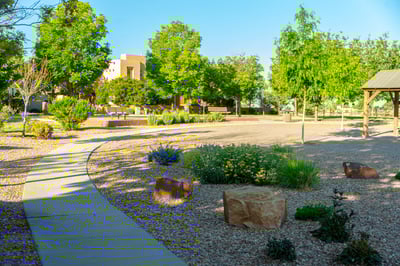
- Corporate campus: Nashville, TN, Improved employee satisfaction and talent retention.
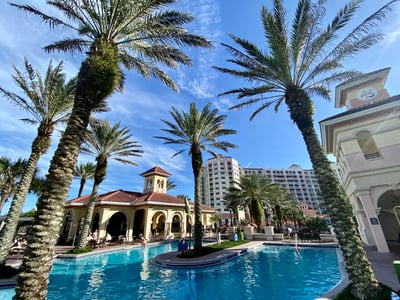
- Retail center: Charleston, SC, landscape renovation for foot traffic increase and tenant retention.
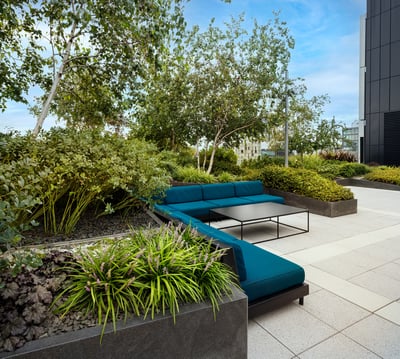
- Office space: Chicago, IL, for enhanced professional image.
Conclusion
Commercial landscape renovation should increase attractiveness, but should not stop at curb appeal. An ideal renovation should improve a property’s functionality, attract more tenants, and show a good return on investment.
That gets accomplished by sustainable landscape design and expert installation. Lots can go wrong without an experienced landscape firm taking care of grading, irrigation, hardscape construction, and other complex steps. Experience and a company’s ability to design, install, and maintain the newly renovated green spaces gives property managers peace of mind.
You won’t have to worry about poor plant choices or weak hardscaping. Instead, you get clarity on goals and open communication concerning your property’s most visible asset - the landscape.
Schedule a free landscape renovation assessment with Yellowstone Landscape's design professionals. We'll evaluate your property and recommend renovation opportunities tailored to your vision.